
Travel is often seen as a way to explore new places, try new foods, and experience adventure. But in Canada, travel can also be an act of learning, listening, and healing. The Truth and Reconciliation Commission (TRC) revealed the difficult truths of residential schools and called on all Canadians to take part in reconciliation. One meaningful way to do this is through tourism. By engaging with Indigenous-led experiences, travellers can deepen their understanding of history, connect with communities, and help build bridges for a shared future.
What Truth and Reconciliation Means in Canada
Truth and Reconciliation is rooted in acknowledging the painful legacy of residential schools and the systemic injustices faced by Indigenous Peoples in Canada. The Truth and Reconciliation Commission (TRC), which released its final report in 2015, documented the stories of Survivors and issued 94 Calls to Action—concrete steps for governments, institutions, businesses, and individuals to take toward reconciliation.
But reconciliation is not just about addressing the past—it’s about shaping ongoing, respectful relationships between Indigenous and non-Indigenous peoples today. It requires listening, learning, and creating spaces where Indigenous voices and cultures are not only acknowledged but celebrated.
One of the most relevant commitments for the tourism sector is Call to Action #92: Business and Reconciliation. It urges businesses to:
- Adopt the United Nations Declaration on the Rights of Indigenous Peoples (UNDRIP) as a framework.
- Ensure equitable access to jobs, training, and opportunities for Indigenous Peoples.
- Provide education for staff and clients on Indigenous history, including residential schools, treaties, and Indigenous rights.
For the tourism industry, this means moving beyond offering attractions and instead fostering authentic connections, cultural education, and economic empowerment. When travelers choose Indigenous-led experiences, they directly support this call to action while becoming active participants in reconciliation.
- Overview of the Truth and Reconciliation Commission (TRC) and its Calls to Action.
- Why reconciliation is not just about history but ongoing relationships.
- Highlight TRC Call to Action #92: Business and Reconciliation (specifically relevant to tourism).
The Role of Tourism in Supporting Reconciliation
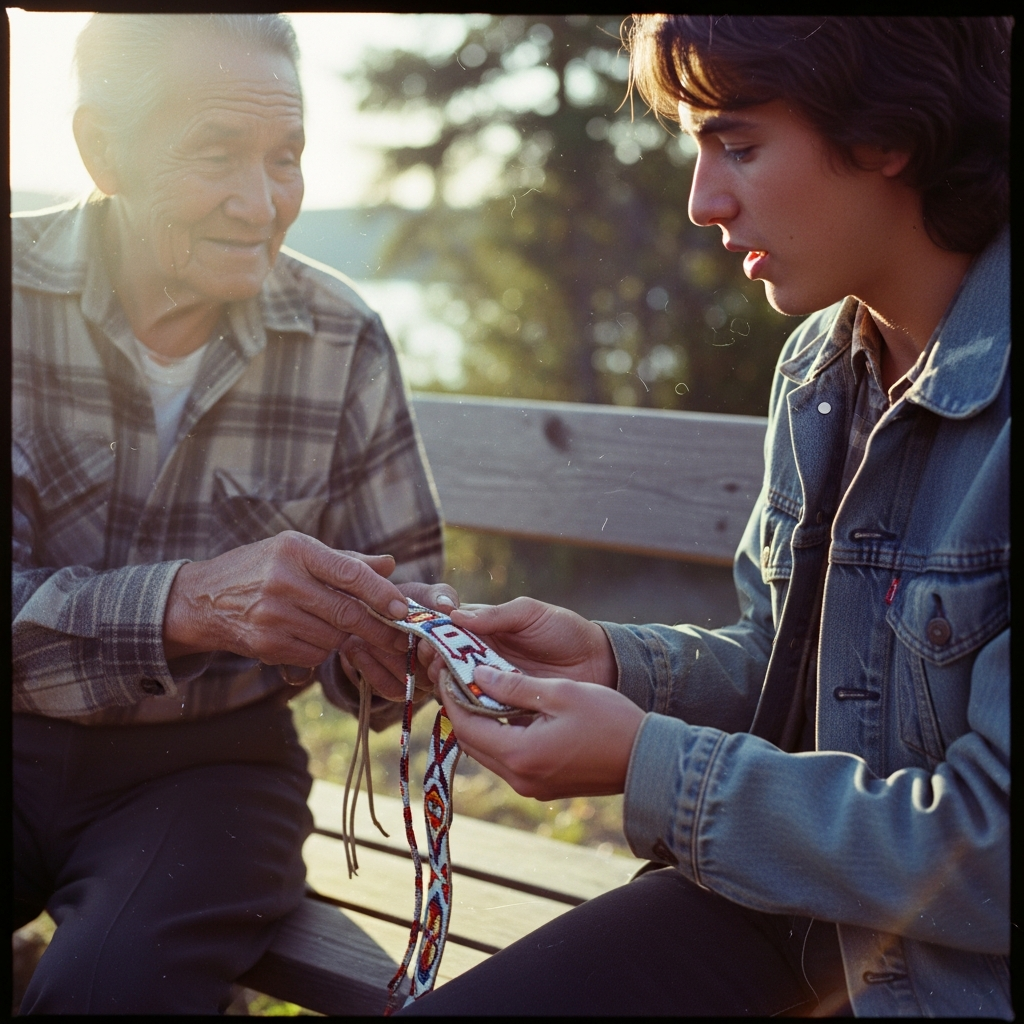
Tourism has the unique ability to move people beyond books and classrooms into lived, real-world experiences. It is a form of experiential learning, where travelers don’t just hear about Indigenous history and culture—they step into it through guided storytelling, traditional practices, and community-led experiences. This type of travel creates space for deeper understanding that lasts long after the trip ends.
By engaging with Indigenous guides and communities, visitors gain authentic perspectives that cannot be found in mainstream travel brochures. Whether it’s learning about traditional harvesting practices, listening to oral histories passed down for generations, or participating in cultural workshops, travelers are offered a genuine window into Indigenous worldviews and connections to the land.
Importantly, reconciliation-focused tourism also helps break down stereotypes. Too often, Indigenous cultures are portrayed as something of the past. Through travel, people can see the vibrancy, resilience, and innovation of Indigenous Peoples today. These personal connections foster empathy and respect, replacing misconceptions with lived stories and meaningful dialogue.
When approached with humility and openness, tourism becomes more than a leisure activity—it becomes a bridge to reconciliation.
Indigenous-Led Tourism Experiences
- Examples of Indigenous-owned tour companies, cultural centers, and experiences that contribute to reconciliation.
- Emphasis on authentic storytelling, not appropriation.
- Suggested SEO keywords: Indigenous tourism Canada, Indigenous experiences, cultural tourism.
How Travellers Can Participate Respectfully
- Tips for travelers: listening, asking respectful questions, supporting Indigenous businesses.
- The importance of humility and open-mindedness.
- Do’s and don’ts for engaging in reconciliation travel.
Benefits for Indigenous Communities
- Economic empowerment through tourism.
- Preservation and sharing of culture, language, and traditions.
- Creating space for dialogue and connection.
Beyond Travel: Continuing the Path of Reconciliation
- Encouraging travelers to take lessons home—apply what they learn in everyday life.
- Resources for continued learning (TRC documents, Indigenous organizations, books, podcasts).
Tourism has the power to be more than a vacation—it can be a path to truth, connection, and reconciliation. By choosing Indigenous-owned experiences, travellers not only support local economies but also honour the stories, traditions, and resilience of Indigenous Peoples. Every journey offers an opportunity to listen, learn, and carry those lessons forward. When we approach travel with respect and openness, we contribute to a future where reconciliation is lived every day—not just spoken of.